
STUDY PERMITS
GUIDANCE BUILT AROUND YOUR PLANS
Your school decides if it can admit you. Immigration authorities decide whether you get a study permit. We can explain which papers and dates matter for a first permit, an extension or a change to your studies.
Tell us where you live, what and where you plan to study, and when classes start. Share how you’ll pay and any past immigration applications. If you are in Canada, tell us your status. Mention any expiry date, refusal or change of school right away.
Planning. Discuss the applicable study-permit route, acceptance documents, PAL/TAL questions and how family or post-graduation plans affect the information to review.
Preparation. Build a document inventory, review the study plan and financial records for clarity, prepare forms and check consistency across education, employment and immigration history.
Application and follow-up. Where included in the written agreement, assist with preparation, submission and responses to government requests. We explain professional fees and responsibilities before work begins.
School admission or placement, Quebec-specific representation, minor-student arrangements, restoration and complex refusal matters need a separate availability and scope discussion. This page does not promise those services or litigation representation. Admission, permits and later immigration outcomes are decided by the relevant authorities.
BEFORE YOU APPLY
Check the school’s rules and the rules for your study permit as you choose a program. The school’s letter of acceptance does not give you a permit.
A study permit sets the terms for your studies. You may also need a visitor visa or eTA to travel. Which one you need depends on your passport and how you travel. A border officer checks whether you can enter. See IRCC’s study guidance.
Look up your school on the DLI list. Then check the campus, program, start date and any conditions in your acceptance letter. Post-secondary schools must confirm letters when IRCC asks. If you plan to work after graduation, check the program’s PGWP status separately. See IRCC’s document instructions.
Show how you will pay for your studies and why you chose this course. You must also satisfy the officer that you can enter Canada and will leave when required. IRCC may ask for police checks or a medical exam. Admission and paid tuition alone do not settle the case.
Most students apply before they travel. Only some people can apply from inside Canada. For example, being a visitor alone does not let you switch to student status. Check the current application instructions for your location and situation before you make travel plans.
CHECK THE ADDITIONAL DOCUMENTS
Check which attestation rules apply to your school, program and case. Do this before you apply. Check the rules before you rely on an exemption.
Most students need a provincial or territorial attestation letter from their school. Exceptions include primary and secondary pupils and students in master’s or doctoral degree programs at public DLIs. A graduate certificate is a different credential. Check IRCC’s PAL/TAL questions and exceptions for your case.
An extension in Canada at the same school and level of study is one listed exception. However, a transfer or a change of level may change the answer. Check whether you need a new letter and whether it will be valid when you apply.
Quebec usually requires a Quebec Acceptance Certificate (CAQ). Check both the CAQ issuance letter and the federal PAL or TAL rules. An exemption from the federal letter does not automatically waive the CAQ. Read Quebec’s study instructions and ask what Quebec-specific help we can offer.
MAKE THE FUNDING CLEAR
Show that you have the money you need. Make sure your budget matches the records you send. Include the costs for any family coming with you.
Show how you will cover tuition, living costs and travel without taking a job in Canada. For a long course, show the first year’s funds and your plan for later years. Use IRCC’s current financial-support tables for your family size and filing date. Quebec has its own cost requirements.
Keep records that show where the money came from and when you can use it. For example, you might use bank statements, tuition receipts, a student loan or a scholarship. If someone supports you, document their income and your relationship. Explain large deposits and check the instructions for your country.
If you hire us, we can help you list the records, spot gaps and explain your funding. You and your sponsors supply the real funds and records. Check that each figure agrees with the proof behind it.
PREPARE THE WHOLE STORY
Show how the program fits your past studies, work and goals. If you took a break or changed course, explain why. Use records to support what you say if you can.
Explain why you chose this school and program, how you’ll pay and what you plan to do after school. If you hope to stay in Canada in the future, you still need to meet the rules for a temporary stay. Make only claims you can show are true.
We can help you put your explanation in order and check it against the records in your file. The explanation must be your own and reflect your real plans.
This planning inventory is not an exhaustive checklist. The personalized government checklist and local instructions control what must be submitted. Use IRCC’s document guidance.
FROM PLANS TO PAPERWORK
You may need to deal with your school, the province and the federal government at different steps. The order depends on your case. A target start date or estimated wait time cannot guarantee when you will get a decision.
01
Tell us where you live, what you plan to study, how you’ll pay and when you hope to start. Flag any due date. Then we can discuss the work and fee.
02
First, check your acceptance letter and any provincial or territorial letter you need. Then follow the steps for where you plan to apply.
03
Gather your records, fill out the forms and explain why you want to study. Check that your dates match across the file.
04
IRCC may ask for fingerprints, a medical exam or more records. Check your messages and reply by the date in each request.
05
Read the decision from IRCC. Then check what it means for your current status and what to do next.
06
Check your travel papers and the terms of your permit. Keep copies and note when each one expires.
BEFORE YOU TRAVEL
If IRCC approves you abroad, there is one more step at the border. Read your letter and keep the papers it lists ready for arrival.
Bring your passport, travel document, acceptance letter and supporting records. The letter of introduction is for the border assessment. If you meet the rules, the officer issues your study permit. See IRCC’s arrival instructions.
If you defer, ask the school for updated records before you travel. If IRCC approves your application while you are abroad and you then change DLI, you need a new study permit application and acceptance letter. The old approval does not transfer.
Check your name, school, expiry date and any work or medical conditions on your permit. Ask about errors before you rely on it. Start and pursue your studies as required. Arriving early does not give you permission to work. Tell the school about changes that affect your enrolment.
WHILE YOU STUDY
Your permit has terms you must keep meeting. Before you transfer, take leave, travel or finish early, check how the change affects your status.
For more time at the same school, IRCC advises applying at least 30 days before expiry. If you apply in time, qualify and stay in Canada, you can generally study on your existing terms while IRCC decides. Also check your passport date, which can limit the extension. See IRCC’s extension timing guidance.
Most students who change post-secondary DLIs must apply for a new permit through an extension and wait for approval before starting. Some exceptions apply, for example in certain school closures. Check IRCC’s current school-change steps and the PAL or TAL rules. Updating your account alone is usually not enough.
A leave or a part-time term may affect your right to work and a future PGWP. If you finish early, your permit may end 90 days after completion or on its printed date, whichever comes first. Check both dates.
If your status has ended, a request to restore it does not itself let you study or work. Leaving Canada may also affect your rights on return. If IRCC refuses your case or your permit expires, check your dates and get advice promptly. Booking a call does not extend a deadline.
STUDY FIRST. CHECK BEFORE WORKING.
Before you accept a job or placement, check your program, enrolment and permit terms. Your right to work depends on what you study and the type of job.
If you qualify, you can work up to 24 hours a week off campus during regular terms and unlimited hours during eligible scheduled breaks. Check your program, full-time enrolment, permit terms and SIN. A limited exception covers a part-time final term. Wait until studies begin before starting work. Read IRCC’s off-campus requirements.
Language-only, general-interest and prerequisite-only courses do not qualify for off-campus work under these rules. A leave or a break between schools may also affect your right to work. Track hours across all jobs and any self-employment. When you finish school, check which rules apply before working again.
From April 1, 2026, an eligible post-secondary placement does not need a separate co-op permit. Your DLI must confirm it is required, and it may take up no more than half the program. You must also meet the full-time study and permit conditions. Secondary students still need a co-op permit. Check the full student-placement rules.
PLAN EACH FAMILY MEMBER’S STATUS
Each family member needs the right papers for what they plan to do. Check whether your spouse or child can enter, study or work, and include their costs in your plan.
Your partner may qualify if you hold a valid study permit and study in an eligible program. These include master’s degrees of at least 16 months, doctoral degrees, certain professional degrees and other listed programs. Most other college and undergraduate programs do not qualify under this route. Check IRCC’s precise program list and evidence.
Keep proof of your relationship and enrolment. If your partner already has a permit, check the renewal rules separately. Children may need visitor or study documents of their own. Plan for school and family costs, and ask what help we offer for a minor.
LOOK BEYOND ACCEPTANCE
A post-graduation work permit (PGWP) is a separate application. Check your school and program before enrolling, then confirm your eligibility again before applying. See our post-graduation work permit guide for language, field-of-study and application requirements.
Check your exact campus, course length, study history and how classes are taught. Most public–private licensing programs do not qualify, though exceptions apply to some older programs. A past PGWP can also affect your options. Review IRCC’s complete PGWP requirements.
Most university graduates need CLB or NCLC 7 in each skill. Most other college, polytechnic and non-university graduates need level 5. Bachelor’s, master’s and doctoral degrees have no field-of-study rule. Other programs may need a listed field depending on the study permit application date. Exceptions apply for earlier applications and eligible flight-school graduates. Check the rules and the six-digit CIP field code and applicable dates.
Keep your completion letter, transcripts and any required language test results. The general window to apply for a PGWP is 180 days after completion. Your status and permit dates have separate rules. Before working while you wait, check IRCC’s PGWP application guidance. A receipt alone does not give you that right.
A Canadian credential or PGWP does not guarantee permanent residence. Later routes depend on your work, occupation, test scores and the rules in place then. Choose a program that fits your study goals. If you want to explore PR, ask for a separate review.
WHEN THE ANSWER IS NOT SIMPLE
Tell us early about a refusal, missed deadline, work without permission or details that do not match. We’ll explain whether we can help with that issue.
Have the refusal letter, submitted application and supporting evidence available. We can discuss the stated concerns, missing information and whether an agreed review or reapplication service is appropriate. A new submission should respond to the actual issue; repeating the same documents is not a promise of a different result.
Confirm availability for reconsideration, restoration, admissibility or misrepresentation concerns and other specialized work. This page does not offer court representation or imply an automatic appeal right. Government decisions and deadlines remain outside Pan West’s control.
YOUR QUESTIONS / BEFORE APPLYING
What should you have ready before you apply or travel? Select a question about schools, records, funds or arrival.
No. The permit sets out when and where you can study. A visitor visa or eTA is for travel. You may need both. Before you leave, check what IRCC issued. A border officer makes the final entry decision.
No. The school decides whether to admit you. IRCC then checks your study permit application. Your funds, study plans, required letters and ability to enter Canada still matter. We can help prepare your file. IRCC makes the decision.
First, look up the school on the DLI list. Then ask the school to confirm the campus and the exact program. If you want to work after graduation, also check PGWP eligibility for that course. A DLI number alone is not enough.
A master’s or doctoral degree program at a public DLI is currently exempt. However, a graduate certificate or a course at another type of school may have different rules. Check your program against IRCC’s attestation guidance. For Quebec, also check the provincial rules.
Usually, yes, unless a Quebec exception applies. A federal exemption from the PAL or TAL does not by itself exempt you from the CAQ. Check both sets of rules. Ask which Quebec-specific services Pan West can provide.
Budget for tuition, living costs and travel for you and the family coming with you. You need a plan that does not rely on a job in Canada. Use IRCC’s current financial tables for your dates and family size. Quebec has its own rules. For a longer course, explain how you will pay after year one.
Yes, if you can show the support is real and available. Explain who will help, where the money comes from and how much they can provide. Include proof of the relationship and funds. A letter alone may be too little.
Explain why this course and school fit your background and goals. How will you pay for it? What do you plan to do afterwards? Explain any gap or change in your own words. If you hire us, we can help put those facts in order.
Only certain people can apply from inside Canada. Visitor status alone does not let you use that route or start studies that need a permit. Before you apply, check IRCC’s instructions for your situation.
It depends on your age, where you lived, your history and what you plan to do. Follow the requests and dates for your own file. If IRCC asks for a medical exam, use its authorized process.
Check IRCC’s current estimate and ask the school about the last date to enrol or defer. If IRCC asks for more records, your plans may change. A ticket or course start date does not guarantee a decision in time.
No. Bring the letter of introduction and your required travel and school records. A border officer checks your case and generally issues the permit on arrival. Before you leave the inspection area, check the dates and conditions on it.
YOUR QUESTIONS / WHAT COMES NEXT
Check what happens if you transfer, take a job, bring family or finish your course.
It depends where you are and whether IRCC has decided your file. In Canada, most post-secondary transfers require a new permit through an extension and approval before you start. Limited exceptions apply. If you are abroad with approval and change DLI, you need a new application. Read IRCC’s school-change instructions first.
If you applied in time and meet the conditions, you may keep studying under your current terms while you stay in Canada. However, that usually does not let you start at a new post-secondary DLI before approval. Check your permit, filing date and any travel plans.
Finishing early can end your permit before the printed date. If your status has ended, stop any study or work you no longer have the right to do. Get advice promptly about your dates. Applying to restore status alone does not let you study or work while you wait.
Only if you qualify for off-campus work. During academic terms, eligible students may work up to 24 hours a week. During eligible scheduled breaks, they may work unlimited hours. Check your program, enrolment, permit terms and SIN. Do not start before classes begin or keep working if you no longer qualify.
Since April 1, 2026, eligible post-secondary students can do a required placement without a separate co-op permit. The student and placement must still qualify. Secondary students still need the permit. Get the school’s confirmation and check IRCC’s current placement instructions before you start.
Your partner may qualify if you study in an eligible program. Examples include a master’s degree of at least 16 months, a doctorate and listed professional degrees. Check IRCC’s current list. You also need proof of your relationship and enrolment. Renewals have separate rules.
No. First, check the exact school, program and how classes are taught. Then check your study history and any language or field rules. Most public–private licensing programs do not qualify, though some older programs have exceptions. Check before enrolling and again when you apply.
Check your credential and the dates of your applications. Bachelor’s, master’s and doctoral degrees are exempt from the field-of-study rule. Other credentials may need a listed field. The language rules are separate. See IRCC’s full rules and the graduation section above.
Only if you meet the rules. Check your completion date, the validity of your study permit and whether you could work off campus as a student. A receipt alone is not permission. Read IRCC’s PGWP application instructions before you start or continue work.
Tell us the due date right away. If we agree to review the refusal, we can examine the letter, the file you sent and any changes. We’ll discuss what steps may be open to you. A review does not promise a reversal, an appeal, litigation or success if you apply again.
No. Study permits, work permits and permanent residence have separate rules. Which routes may fit will depend on your qualifications and the rules at that time. We can discuss your options, but IRCC decides whom to invite or approve.
Use the free 15-minute call to explain your question and discuss the next step. If you want a full assessment, file review, help applying or representation, we’ll agree on the work and fee separately. You may also need to pay government fees or costs such as translations or medical exams.
LET’S START WITH YOUR STUDY PLANS
Ask for a free 15-minute phone call. Tell us your school, course, location, start date and any deadline on your permit. A full assessment or file review is a separate service.
We’ll discuss what you need, what we can do, the fee and who will do each part. You still need to track your deadline. A first call does not mean we act for you or guarantee a place at school, a permit, a job or permanent residence.
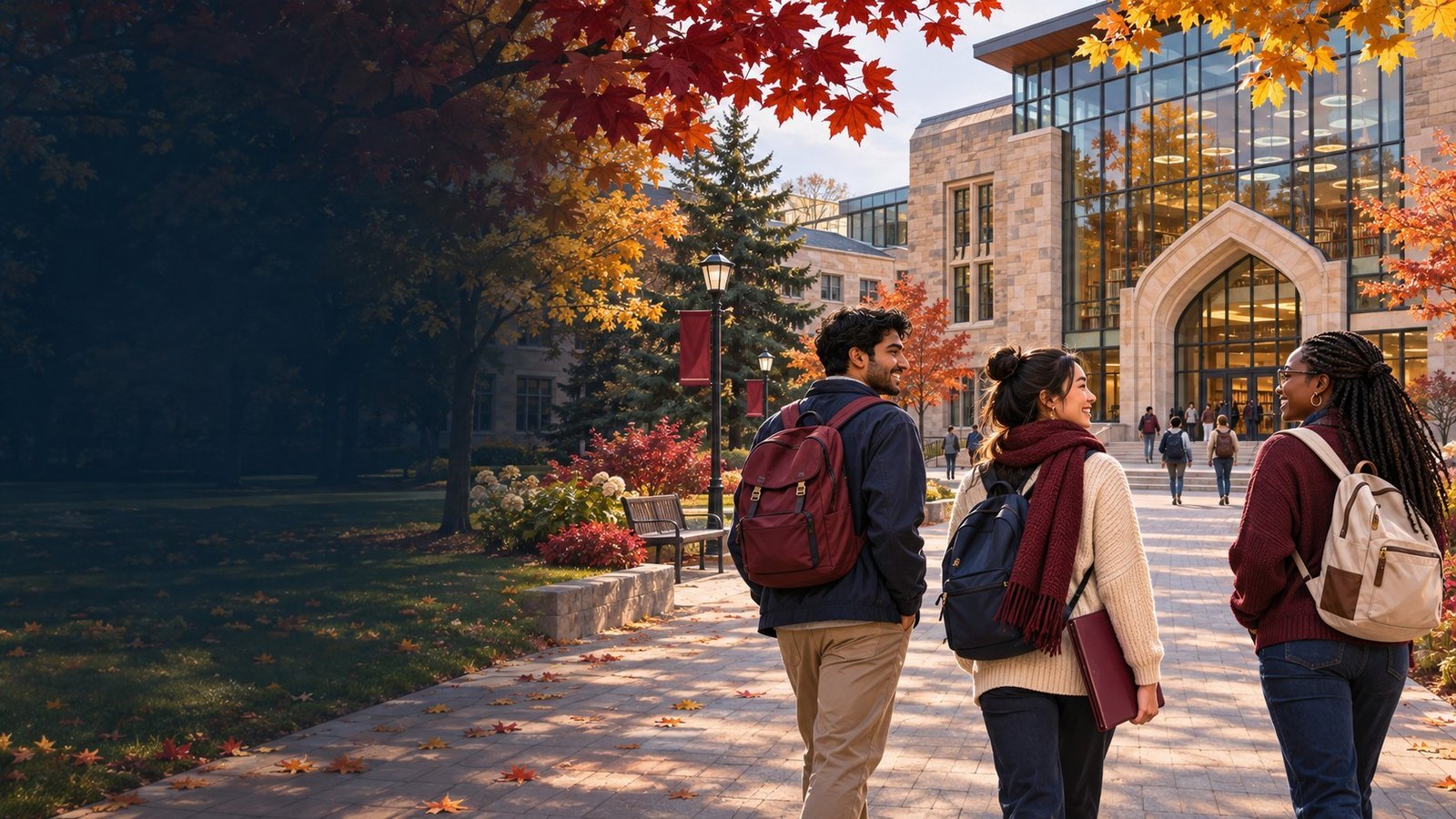
General information, not an individual legal opinion or eligibility decision. Rules, policies and program availability can change. Consult IRCC’s current study guidance and Quebec’s instructions where relevant. No approval or processing time is promised. The original AI-generated campus illustration does not depict actual Pan West staff, clients or a named institution.
Start with a complimentary 15-minute introductory call.

Canadian immigration guidance for individuals, families and employers. Based in Mississauga, supporting your next step.
© 2026 Pan West Immigration Services. All rights reserved.
Mississauga, Ontario · Canadian immigration services